


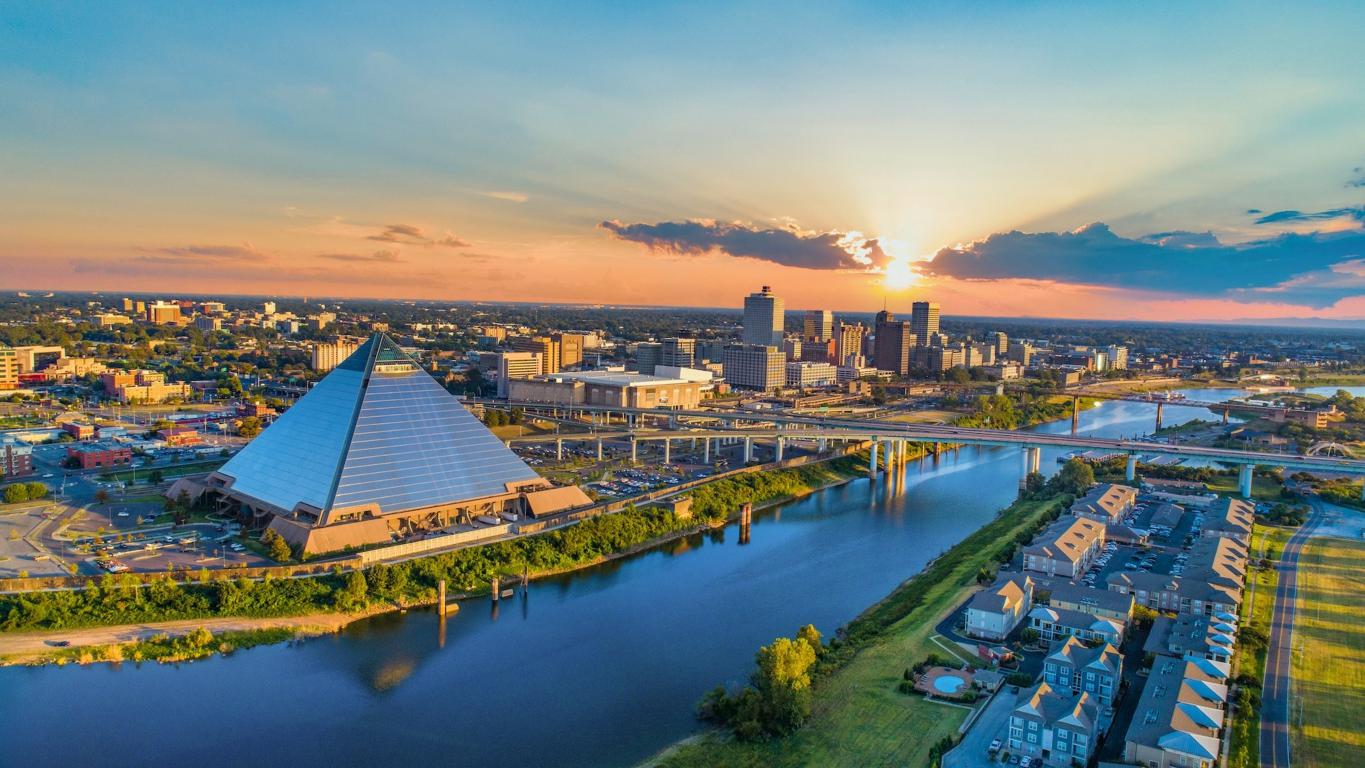
Tour Stop – Memphis, TN
April 30, 2026

Mayor: Paul Young
In Memphis, although Black residents make up an estimated 61% of the city’s total population, in 2024 they accounted for only 41% of mortgage originations.
Mayor: Paul Young
In Memphis, although Black residents make up an estimated 61% of the city’s total population, in 2024 they accounted for only 41% of mortgage originations.


Details
Riverside Missionary Baptist Church
3590 S Third St, Memphis, TN 38109
Time: 6:00 PM – 8:00 PM (Doors open at 4:00 PM)

Tour Stop Programs
Each stop on the tour will feature programming that equips attendees with the knowledge and tools needed to navigate today’s housing market.
Credit Power
Learn how to boost your credit score by adding your rent history to your profile the right way. Stronger credit means more affordable paths to homeownership.
From Housing to Homeownership
Discover how Section 8 housing certificates can be used as a pathway to buying a home. Learn the steps to turn rental assistance into real ownership.
Heirs Property Rights
Learn how to secure heirs’ property rights and prevent the loss of family-owned homes. This session shows how to keep wealth and legacy in the family for generations
Renting vs. Owning: Building a Better Future
Explore the true costs of renting versus buying. This session breaks down the financial and lifestyle benefits of homeownership to help you make the best choice for your future.
Town Hall: Affordable Solutions
Join the conversation with city officials and community leaders on solutions to increase housing affordability and expand access to lending programs in your city.
Development for the People
Join with NAREB developers nationwide on partnering with cities to create community-focused developments that deliver affordable housing opportunities.
Memphis, Tennessee: Black Real Estate History & Landmarks
Memphis, Tennessee is a significant city in the history of Black homeownership, civil rights, and community development in the United States. With deep roots in African American culture, business, and activism, Memphis became a center where Black families built neighborhoods, church institutions, and business districts despite segregation and discriminatory housing practices. Real estate ownership and community development played a major role in shaping Black economic life in the city.
Why Memphis Is Significant to Black Real Estate History
- Memphis became a major destination for African Americans during the Great Migration seeking economic opportunity and property ownership.
- Black neighborhoods such as Orange Mound became nationally recognized examples of communities built and owned largely by African Americans.
- The city played a central role in the civil rights movement, where housing access, economic opportunity, and community control of property were major issues.
- Black churches, civic groups, and entrepreneurs helped establish strong residential neighborhoods and commercial corridors throughout Memphis.
Five Important Black Real Estate Landmarks
- Orange Mound Historic District – One of the first neighborhoods in the United States built specifically for Black homeownership. Developed in the late 1800s, it became one of the largest Black middle-class communities in the South.
- Beale Street Historic District – A historic center of Black business, culture, and entrepreneurship where property ownership supported a thriving Black economic district.
- Mason Temple – Headquarters of the Church of God in Christ and the site of Dr. Martin Luther King Jr.'s final speech. The surrounding area represents the role of Black institutions in community development.
- LeMoyne-Owen College Area – The neighborhood surrounding this historic Black college represents the role educational institutions played in supporting stable Black residential communities.
- South Memphis Historic Neighborhoods – Longstanding residential areas where Black families built generational wealth through homeownership despite segregation and redlining.
Legacy
Memphis represents the resilience of Black communities who built neighborhoods, business districts, and institutions that supported economic stability and cultural identity. From historic communities like Orange Mound to the business corridor of Beale Street, Memphis illustrates how real estate ownership and community leadership helped shape Black wealth building and neighborhood development in the American South.
You must be logged in to post a comment.