


Tour Stop – Baltimore, MD
April 25, 2026

Mayor: Brandon M. Scott
In Baltimore, although Black residents make up an estimated 57% of the city’s total population, in 2024 they accounted for only 45% of mortgage originations.
Mayor: Brandon M. Scott
In Baltimore, although Black residents make up an estimated 57% of the city’s total population, in 2024 they accounted for only 45% of mortgage originations.


Details
Carter Memorial Church of God in Christ
13 S Poppleton St, Baltimore, MD 21201
Time: 2:00 PM – 5:00 PM (Doors open at 1:30 PM)

Tour Stop Programs
Each stop on the tour will feature programming that equips attendees with the knowledge and tools needed to navigate today’s housing market.
Credit Power
Learn how to boost your credit score by adding your rent history to your profile the right way. Stronger credit means more affordable paths to homeownership.
From Housing to Homeownership
Discover how Section 8 housing certificates can be used as a pathway to buying a home. Learn the steps to turn rental assistance into real ownership.
Heirs Property Rights
Learn how to secure heirs’ property rights and prevent the loss of family-owned homes. This session shows how to keep wealth and legacy in the family for generations
Renting vs. Owning: Building a Better Future
Explore the true costs of renting versus buying. This session breaks down the financial and lifestyle benefits of homeownership to help you make the best choice for your future.
Town Hall: Affordable Solutions
Join the conversation with city officials and community leaders on solutions to increase housing affordability and expand access to lending programs in your city.
Development for the People
Join with NAREB developers nationwide on partnering with cities to create community-focused developments that deliver affordable housing opportunities.
Baltimore, Maryland: Black Real Estate History & Landmarks
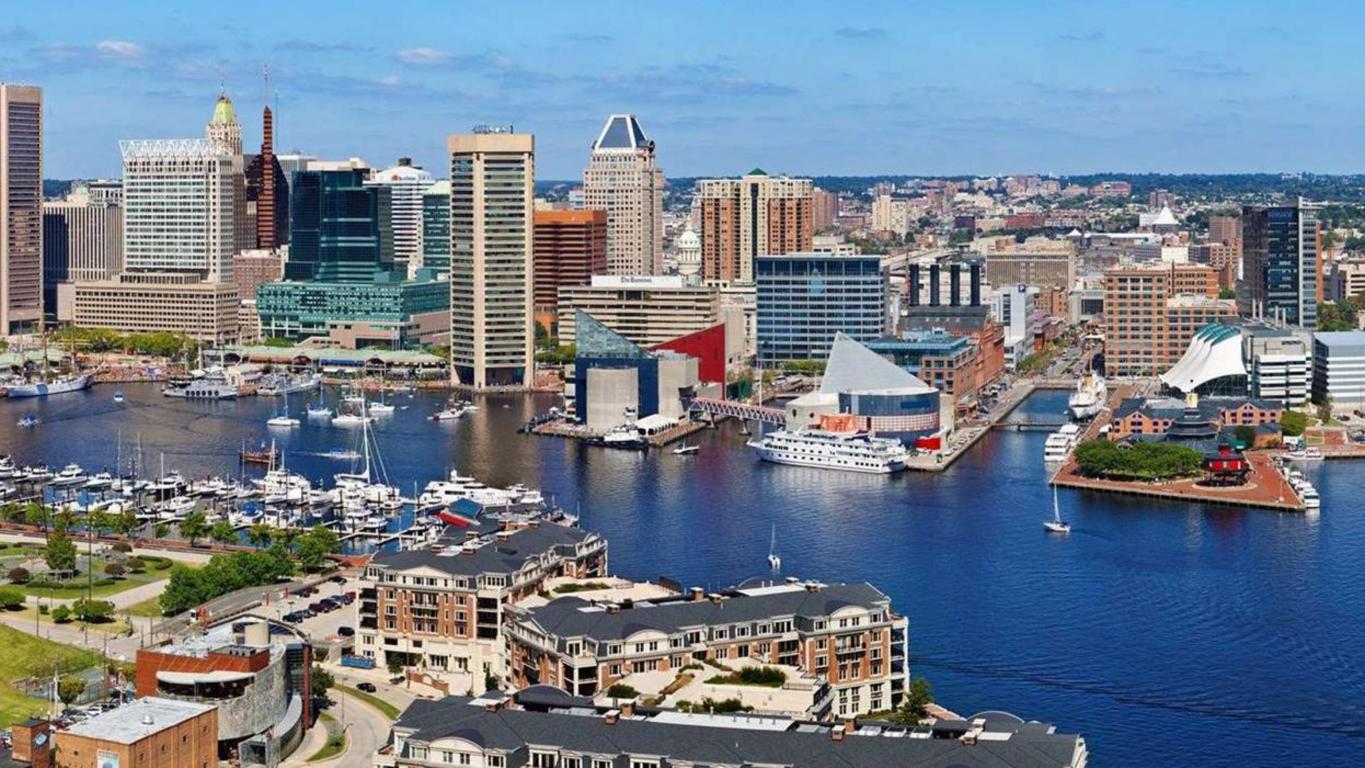
Baltimore is one of the most important cities in the history of Black housing and real estate in the United States. The city played a central role in the development of early Black homeownership, civil rights battles over housing, and the national conversation around segregation and fair housing laws.
Baltimore also became a major example of how discriminatory housing policies shaped urban neighborhoods across America.
Why Baltimore Is Significant to Black Real Estate History
- Baltimore passed the first residential racial segregation ordinance in the United States in 1910, legally separating Black and white neighborhoods.
- The landmark Supreme Court case Buchanan v. Warley (1917) helped strike down similar racial zoning laws that spread across American cities.
- Large Black neighborhoods such as West Baltimore became centers of Black homeownership, culture, and entrepreneurship despite discriminatory lending practices.
- Baltimore later became a key location in the fight against redlining, contract sales, and discriminatory lending practices that limited Black wealth building through real estate.
Five Important Black Real Estate Landmarks
- Pennsylvania Avenue Historic District – Once the heart of Black economic life in Baltimore, filled with Black-owned businesses, theaters, and professional offices tied to community wealth and property ownership.
- Upton Historic District – One of Baltimore’s most important historic Black residential neighborhoods and home to prominent Black leaders, business owners, and professionals.
- Thurgood Marshall Childhood Home Area – Located in West Baltimore, this neighborhood represents the working- and middle-class Black communities that developed through homeownership during segregation.
- Arch Social Club – A historic African American social and civic club on Pennsylvania Avenue that served as a hub for Black leadership, business networking, and property ownership influence.
- Sandtown-Winchester – A historically Black neighborhood that became nationally known for both the effects of housing disinvestment and modern efforts to rebuild community wealth through housing and redevelopment.
Legacy
Baltimore’s housing history reflects both the barriers and the resilience of Black communities. From early Black neighborhoods to the legal battles against segregation and redlining, the city illustrates how real estate has been central to both inequality and the pursuit of generational wealth. Today, Baltimore continues to be an important city for housing policy, community development, and initiatives designed to expand Black homeownership.
You must be logged in to post a comment.